A Nationwide Shift: What the New THC Product Legislation Means for the Hemp Industry
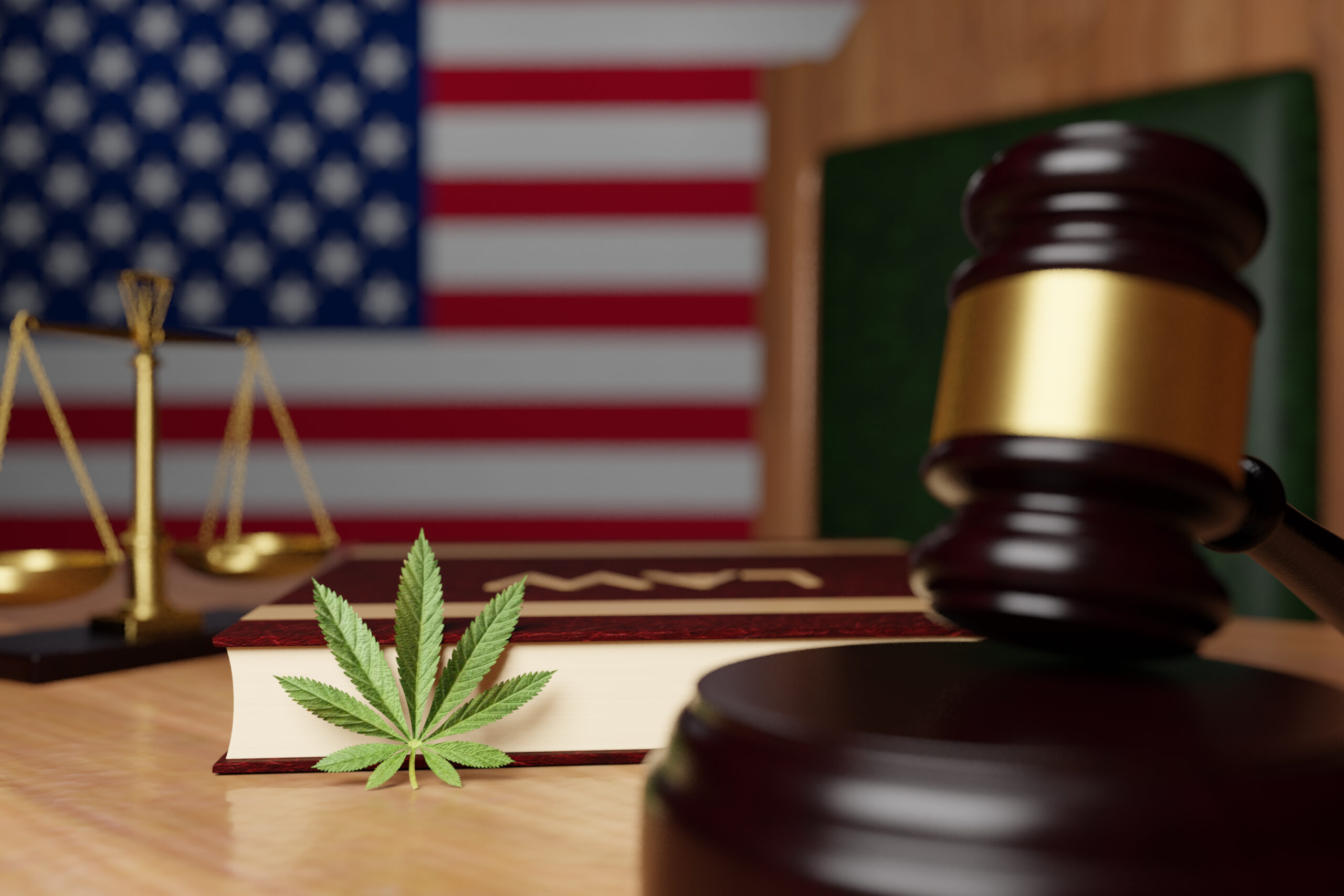
On November 12, 2025, in connection with legislation designed to end the government shutdown, President Trump signed omnibus spending legislation that includes a provision effectively banning most consumable hemp-derived THC products nationwide. The provision reverses key aspects of the hemp framework established under the 2018 Farm Bill and poses an existential threat to a multi-billion-dollar industry that was estimated at approximately $11 billion in 2025 and projected to grow to $47 billion by 2032. The new restrictions take effect one year from enactment, on November 12, 2026.
Over the coming year, hemp cultivators, processors, distributors, and retailers will need to reassess their business models, regulatory strategies, and product portfolios—or prepare for an orderly exit from the consumable hemp space. Here are answers to some key questions surrounding the new law.
What are the New Legal Limits Under the New Law?
The legislation imposes a total THC cap of 0.4 milligrams per container for hemp products.
For context, a typical hemp gummy or beverage currently contains 2.5–10 milligrams of delta-9 THC per serving—far exceeding the new per-container limit. Most existing consumable products in the market will not be compliant. The law also changes the definition of legal hemp:
- The existing 0.3% THC threshold now applies to total THC, not just delta-9 THC.
- “Total THC” explicitly includes delta-8 and other THC isomers on a dry-weight basis.
Products exceeding these thresholds will be treated as marijuana under federal law and therefore illegal, regardless of state hemp programs or prior interpretations under the 2018 Farm Bill. Although the legislative text targets intoxicating THC products, many experts believe the law will also capture non-intoxicating CBD products, including those used for health and wellness purposes, if they contain total THC above the new thresholds or rely on cannabinoids that do not clearly fit within the “naturally occurring” definitions.
What Products are Prohibited?
The legislation reaches a broad range of products and intermediates, including:
- Intermediate hemp-derived cannabinoid products that are marketed or sold as final products or directly to consumers for personal or household use.
- Cannabinoids synthesized or manufactured outside of the cannabis plant or not capable of being naturally produced by it.
- All natural and converted THC forms (including delta-9, delta-8, and related isomers) in consumable formats, such as:
- Gummies and other edibles
- Beverages
- Vapes and inhalable products
- Topical creams intended for consumer use
What is Required of Government and Federal Agencies?
The federal ban effectively overrides state-level hemp frameworks developed over the past seven years. Within 90 days of enactment, the FDA and other federal agencies must publish a list of all cannabinoids known to be naturally produced by Cannabis sativa L. and A list of all tetrahydrocannabinol-class cannabinoids. These lists will guide future enforcement and may further shape what is deemed permissible in the marketplace.
This must be implemented one year from enactment on November 12, 2026. This one-year period creates a narrow window for potential legislative “fixes” or corrective amendments, development of alternative regulatory frameworks, and business planning, restructuring, or wind-down strategies.
What Should I Do Next?
This law represents a fundamental realignment of federal hemp policy with sweeping implications for manufacturers, retailers, farmers, and consumers. The one-year implementation period is short in business terms, and companies should not delay in assessing their exposure and options.
Our firm is actively monitoring agency guidance and potential legislative responses and is assisting clients with product and contract risk assessments, restructuring and pivot strategies, and advocacy and coalition-building efforts. If you would like to discuss how this development affects your business or to develop a tailored action plan, contact Levin Ginsburg.