From Viral Meme to Federal Court: What the Tung Tung Tung Sahur Lawsuit Could Mean for AI-Generated Content
A federal lawsuit involving the viral AI-generated character “Tung Tung Tung Sahur” may become one of the first significant tests of who owns rights in AI-generated characters and content. While the dispute arises from an unusual internet phenomenon known as “Italian Brainrot,” the legal questions are relevant to businesses, creators, marketers, and technology companies increasingly relying on generative AI.
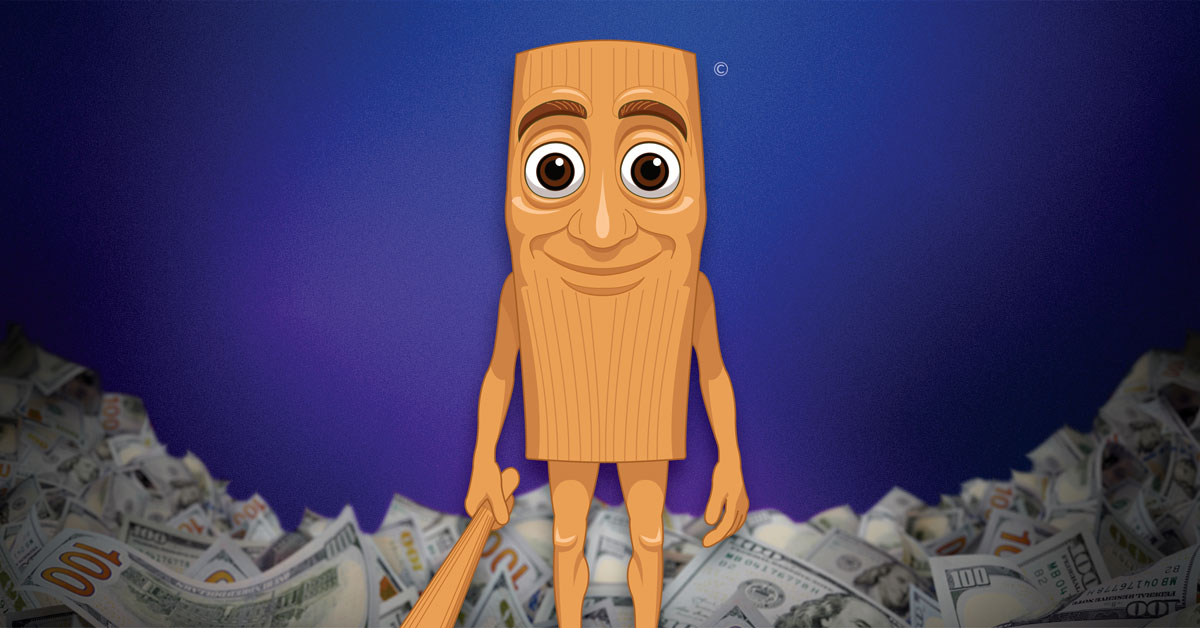
What Is Tung Tung Tung Sahur?
“Tung Tung Tung Sahur” is one of several viral AI-generated characters that gained widespread popularity on social media, YouTube, and gaming platforms. The character was reportedly created by an Indonesian creator using a series of AI prompts and later became widely incorporated into online games, merchandising, and other commercial ventures. As the character’s popularity grew, so did its commercial value. That success eventually led to competing claims over who, if anyone, owns the rights to the character.
The Dispute
The lawsuit, Spyder Games LLC et al. v. Mementum Lab, Case No. 5:25-CV-10248, pending in the Northern District of California, pits the developers of the popular Roblox game “Steal a Brainrot” against Mementum Labs, a company representing creators of several “Brainrot” characters, including Tung Tung Tung Sahur. According to court filings, Mementum Labs asserts that the creator developed the character through an artistic process that included not only AI-generated imagery, but also character names, backstories, videos, music, and other creative elements. The game developers argue that because the visual character was generated through artificial intelligence, it may not qualify for copyright protection under existing U.S. copyright law and therefore cannot be exclusively controlled by another party. They have asked the federal court to declare that no enforceable copyright exists in the character. Mementum Labs has responded with counterclaims that extend beyond copyright law. The company argues that it owns trademark rights associated with the character and that unauthorized use could create consumer confusion regarding sponsorship or approval.
Why This Case Matters
The lawsuit highlights a growing tension in intellectual property law: AI tools can generate valuable content in seconds, but ownership of that content remains legally uncertain. The U.S. Copyright Office has consistently maintained that copyright protection requires human authorship. At the same time, it has recognized that AI-assisted works may qualify for protection when sufficient human creative contributions are present. Determining where that line exists remains highly fact dependent. The central question in the Tung Tung Tung Sahur dispute is not merely whether AI was involved, it is whether the creator’s human contributions were significant enough to support copyright ownership despite the use of generative AI.
Copyright Is Not the Only Issue
Many businesses mistakenly view AI-related disputes solely through a copyright lens. This case demonstrates why trademark law may become equally important. Even if a court were to conclude that certain AI-generated visual elements are not entitled to copyright protection, a recognizable character name or brand identity may still acquire trademark significance through use in commerce. Trademark rights often focus on source identification and consumer perception rather than authorship. As a result, businesses using AI-generated characters should not assume that the absence of copyright protection eliminates all legal risk.
Lessons for Businesses
Organizations using generative AI to develop branding, mascots, marketing content, or creative assets should consider several practical steps:
- Document the human creative process involved in developing AI-assisted works.
- Maintain records of prompts, revisions, editing decisions, and other creative contributions.
- Consider trademark protection for valuable character names, slogans, and brand elements.
- Conduct clearance reviews before adopting viral characters or internet trends for commercial use.
- Review platform terms and licensing agreements governing AI-generated content.
- Understand that widespread online availability does not necessarily mean content is free to use commercially.
Looking Ahead
The Tung Tung Tung Sahur litigation may ultimately provide important guidance regarding the intersection of copyright, trademark law, and generative AI. Regardless of how the court rules, the case serves as a reminder that intellectual property law remains highly relevant in the age of AI.
For businesses integrating AI into their marketing, product development, or branding efforts, the safest approach is to assume that ownership and protection issues remain unsettled and to proactively address intellectual property rights before disputes arise. As AI-generated content becomes increasingly valuable, courts will continue to clarify the extent to which human contributions to AI-assisted works are legally protectable.
Each situation is fact specific, so for a consultation on specific questions, please contact Kevin Thompson in our Intellectual Property practice group on our website.